The Future of Corporate Event Activations
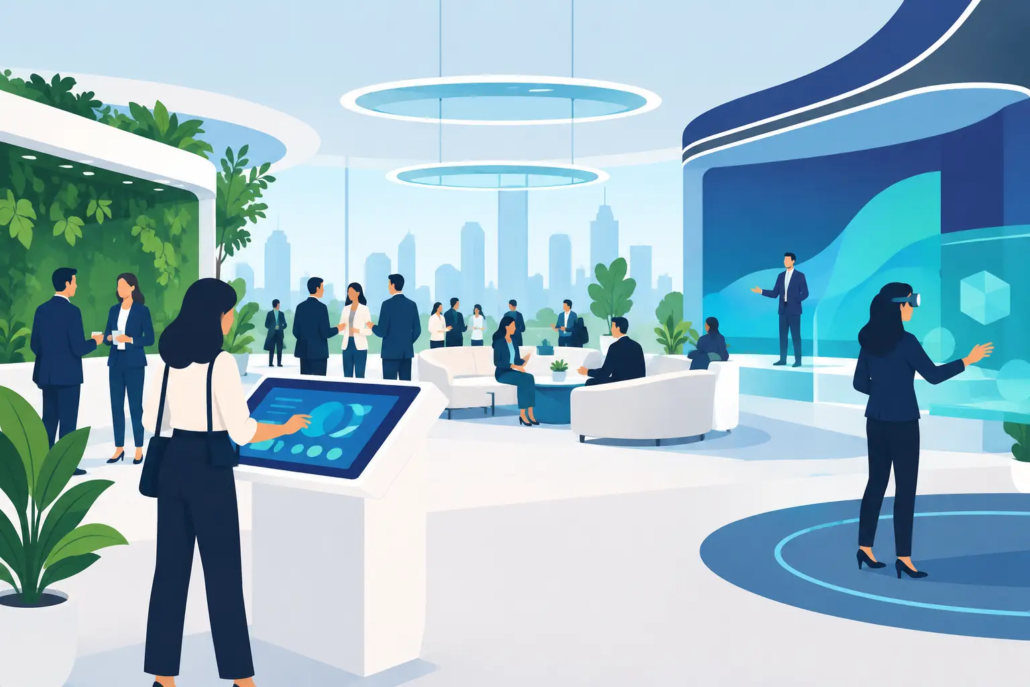
A packed room, a polished stage and a strong guest list are no longer enough to make a corporate event feel memorable. The future of corporate event activations belongs to experiences that give people a reason to step forward, take part and leave with something worth talking about. For brands, that means moving beyond passive sponsorships and predictable giveaways towards moments that feel personal, visual and genuinely fun.
Corporate guests have become more selective with their time. Whether they are attending a staff awards night, product launch, trade event, client reception or Christmas party, they want to feel that the event was designed with real people in mind. They want an atmosphere, not just an agenda. The activations that win are the ones that turn a brand message into a shared experience.
The future of corporate event activations is participatory
The old formula was simple: place branding around a room, hand out merchandise and hope attendees remember who hosted the evening. That approach can still have a role, particularly at high-footfall exhibitions, but it rarely creates a lasting emotional connection on its own.
The strongest activations invite guests to become part of the story. They might create content, choose a personalised design, take part in a challenge or capture a moment with colleagues they do not usually see outside the office. The key shift is from being shown a brand to interacting with it.
A smart selfie mirror, for example, creates an immediate reason to gather. Guests see the full-length mirror, follow the colourful on-screen prompts, pose, sign their image and walk away with a branded print. It is entertainment first, but it also gives the company a visible and memorable place in the experience. That balance matters. If an activation feels like an advert disguised as fun, guests will simply walk past it.
Make the brand part of the moment, not the interruption
Branding works best when it adds polish rather than pressure. A company logo on a photo template, a campaign message on a start screen or a themed backdrop can give every image a clear identity without taking over the guest experience.
There is a trade-off to consider. Heavy branding may satisfy internal stakeholders, but too much can make content feel less shareable. A subtle, beautifully designed frame often travels further than an image covered in slogans. The goal is not to make every guest feel like a billboard. It is to give them a keepsake they are proud to keep, post and show to colleagues.
For a product launch, branding can be bolder and campaign-led. For an employee celebration or client dinner, a more elegant treatment may be the better fit. The format should reflect the event purpose, the audience and the personality of the brand.
Personalisation will set ordinary events apart
Generic experiences are easy to forget. Personalised ones create a small but powerful sense of recognition. Guests notice when an activation has been built around the occasion rather than pulled from a standard package with a logo added at the last minute.
That could mean bespoke photo layouts in company colours, themed props that connect to the campaign, custom animations, tailored voice guidance or a backdrop designed around the venue and event concept. At an awards evening, the imagery might feel glamorous and celebratory. At a recruitment event, it may be energetic, modern and social-first. At a trade show, it could include a simple prompt that encourages visitors to demonstrate how they use a product or support a cause.
Personalisation does not need to become complicated. In fact, the best ideas are often simple enough for guests to understand in seconds. Give them a clear reason to join in, then make the result look fantastic.
This is where a professional event partner makes a real difference. A premium activation should arrive looking the part, work reliably throughout the event and be managed by an attendant who can encourage participation without becoming intrusive. The technology may be impressive, but the human energy around it is what turns curiosity into a queue.
Social content is valuable, but real memories matter more
Corporate event planners are rightly interested in shareable content. A striking photo or 360 video can extend the life of an event beyond the venue, reaching colleagues, clients and wider audiences through social platforms. It can also provide a useful bank of informal, people-led content for future internal communications.
However, the future is not simply about chasing views. Not every guest wants to post publicly, and not every event needs to become a social media campaign. A printed 6×4 photograph still has a special kind of staying power. It ends up on a desk, noticeboard or fridge, bringing the event back to mind long after an online story has disappeared.
The smartest corporate activations offer both. Digital sharing gives the experience reach; instant prints give it weight. A branded photo experience can make guests laugh in the moment, give them a polished keepsake to take home and leave organisers with an activation that feels far more substantial than a branded pen or tote bag.
Short-form video will keep growing, with a caveat
360 video booths and short-form clips are particularly effective when the crowd is ready for high-energy content. They suit launch parties, end-of-year celebrations, fashion-focused events and younger audiences who are comfortable performing for the camera.
But video is not automatically the right answer. It needs space, confident participation and an atmosphere that supports it. A formal dinner with senior clients may respond better to a sophisticated mirror photo experience than an energetic platform moment. Great event planning is not about choosing the newest feature. It is about choosing what your guests will actually enjoy.
Measurement will become more meaningful
For corporate teams, an activation must increasingly earn its place in the budget. Attendance numbers are useful, but they do not tell the whole story. A room can be full while guests remain disengaged.
Future-focused planners will look at participation, dwell time, repeat visits, digital shares, print volumes and the quality of guest feedback. At a trade event, an activation can help start conversations and keep visitors at a stand longer. At a staff party, it can show whether people from different departments mixed, relaxed and celebrated together. At a client event, it can create a natural talking point that breaks the ice before the business conversation begins.
Measurement should not drain the fun from the occasion. Guests do not want to feel monitored while they celebrate. The best approach is to use meaningful indicators in the background while keeping the front-facing experience light, welcoming and easy.
People will still make the experience
There is plenty of talk about artificial intelligence, augmented reality and ever-more advanced event technology. Some of it will become part of the corporate activation mix, especially for major campaigns with larger budgets. Virtual product demos, interactive games and data-led personalisation will all have their place.
Yet technology alone does not create a brilliant event. People do. A guest who is unsure where to stand, how to begin or whether they are welcome to join in needs a warm invitation. A seasoned attendant can read the room, encourage a shy group, keep the energy moving and ensure the experience stays polished from the first photo to the final print.
That is why entertainment-led activations will remain so effective. They bring people together in a way that a screen, speech or branded display cannot always achieve. The best corporate events do not just communicate a message. They create a feeling around it.
What this means for corporate event planners
The most successful activations will be built into the event concept early, not added as a last-minute extra. Think about the audience first: what would make them stop, smile and take part? Then consider the setting, the brand personality and the practical details such as floor space, timing, power and guest flow.
A photo experience near the reception area can create instant energy as guests arrive. Positioned near the bar or dancefloor, it can become a social hub later in the evening. At a conference, it may work best during breaks, when attendees are looking for a reason to reset and connect. There is no single perfect placement because every event has a different rhythm.
For businesses across Ireland and beyond, The Selfie Mirror Galway brings that combination of visual impact, custom branding and experienced on-site support to corporate occasions that deserve more than standard entertainment. The aim is simple: make the room feel more alive and send guests home with amazing memories.
When planning your next corporate event, do not ask only what guests will see. Ask what they will do, who they will share it with and what they will remember when the lights come up the next morning. That is where a great activation begins.


Leave a Reply
Want to join the discussion?Feel free to contribute!